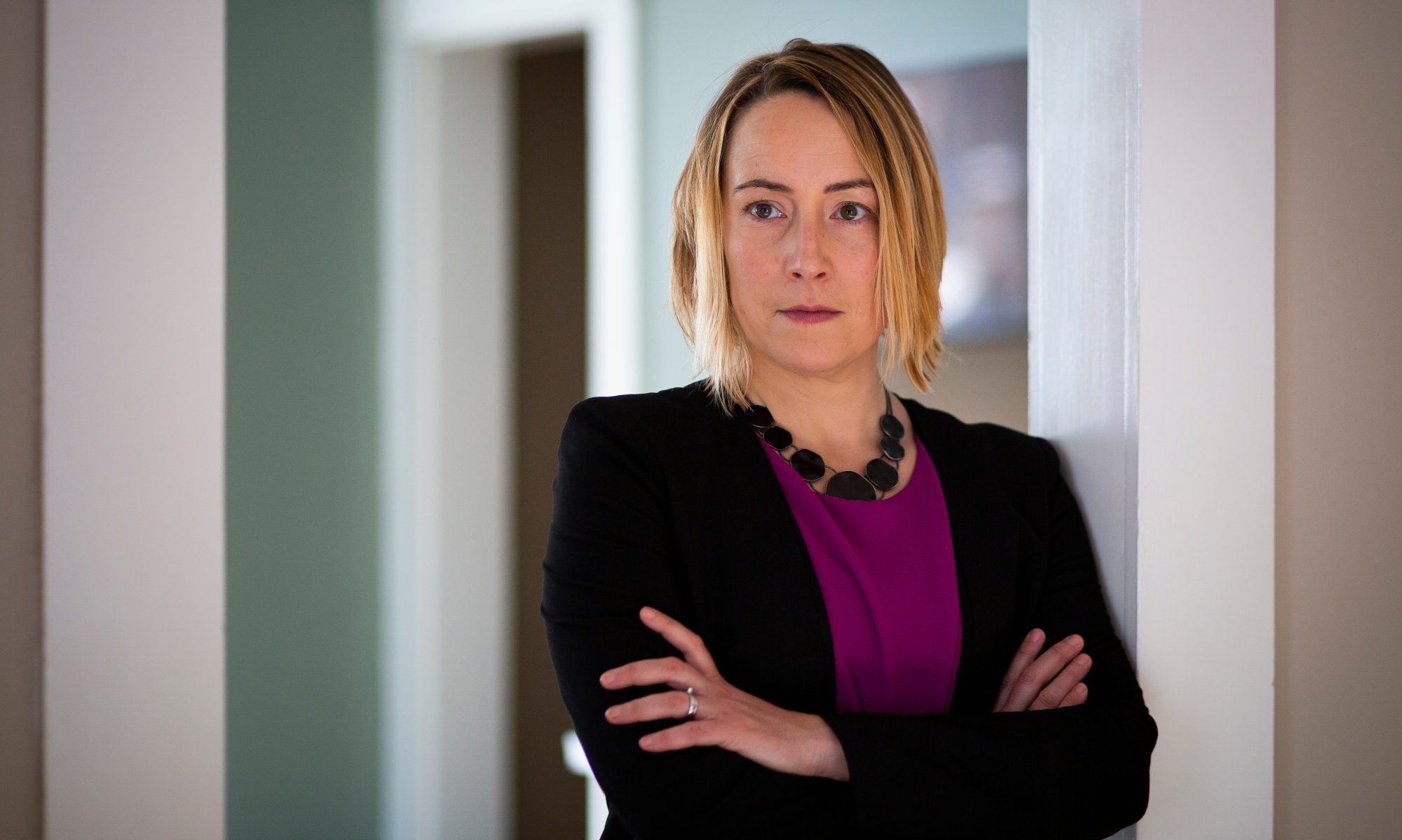
Talking gender, journalism and the web on HuffPostLive

The HuffPostLive set as seen on my laptop.

A big thanks to Caroline Modarressy-Tehrani and HuffPostLive for including me on a panel discussion about the online gender gap. My co-panelists were Madeline Earp from Freedom House, graduate student Tanya Lakot and Dr. Syb Bennett, a journalism professor at Belmont University. The full segment is archived here.

If you don’t have time to watch the whole thing, take a few minutes to read Earp’s summary of the staggering gap between men and women when it comes to Internet access worldwide.  In addition to barriers to physical access, women are more likely to face censorship or harassment online.


‘Not just a battlefield story’

I stumbled across this trailer on Twitter earlier this week, and I’m hoping to watch the full documentary sometime soon:

The correspondents featured are remarkable for their courage, but their work is also a reminder of why a diverse press corps matters. Women, the film argues, see war differently — and that’s important when we’re trying to fully understand complicated geopolitical events.

Women were digital media pioneers, but there’s still a gender gap online

USA Today launched its first website just days before the 1995 Oklahoma City bombing, and its staff helped create a new kind of crisis storytelling in the aftermath. Rapid updates, photos, and story indexes made the Web, for the first time in human history, a significant source of information for understanding national tragedy. Two years later, another major paper continued to shape our understanding of online news when a Web producer at Philly.com assembled the multimedia version of Black Hawk Down. On the West Coast, meanwhile, the San Jose Mercury News unveiled Good Morning Silicon Valley in the mid-1990s, and it quickly became a popular proto-blog focused on the booming tech industry. (Read more at The Columbia Journalism Review.)