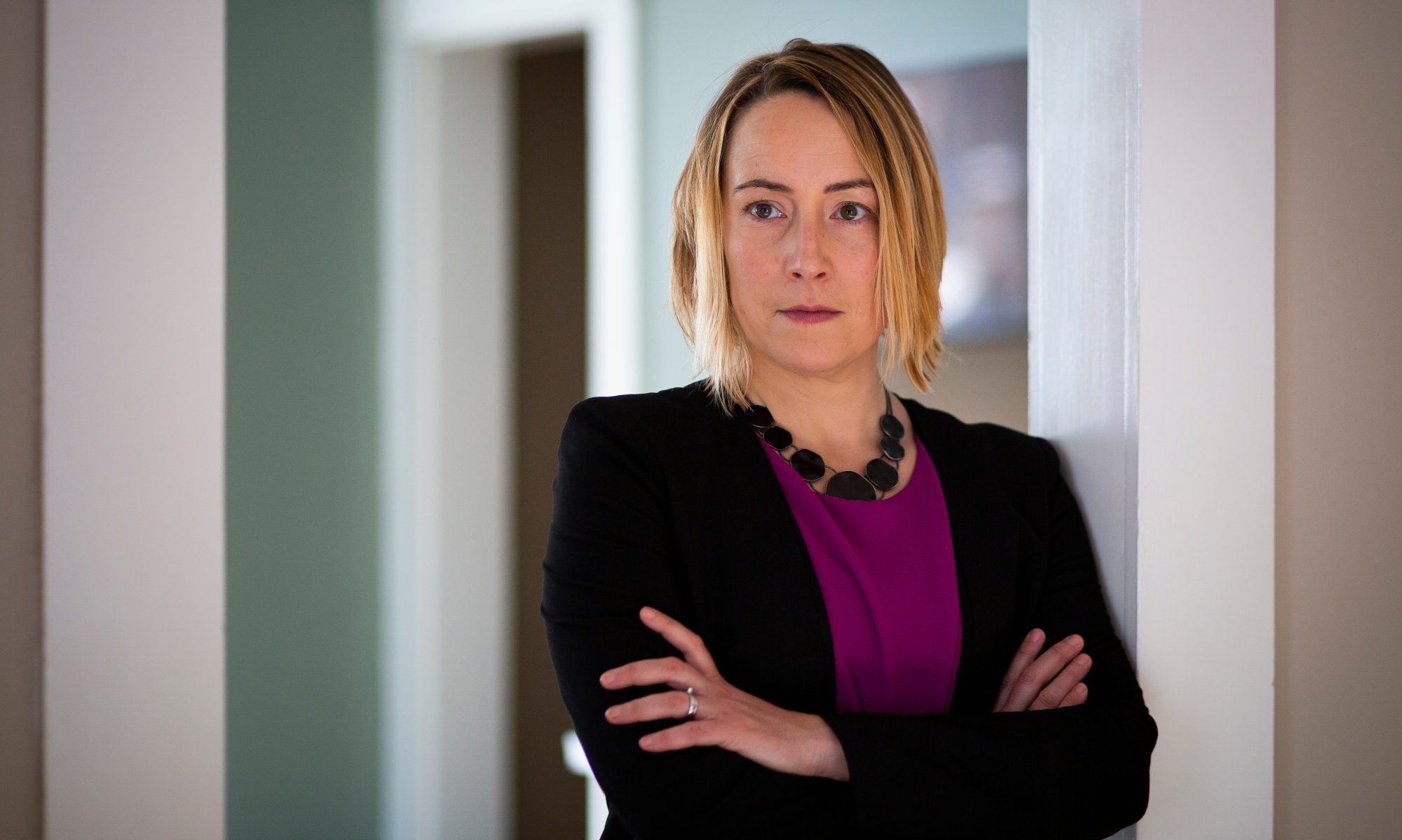
Stanford announced the next class of Knight fellows yesterday and, of the 12 U.S. journalists selected, eight are women. More proof that the future of news can — and should — be built by a diverse cadre of reporters and editors.
A girl named Ruby
Check out this Kickstarter campaign aimed at creating a children’s book about computer code. The best part? The protagonist will be a girl named (of course) Ruby.* The book is programmer Linda Liukas’s latest bid to make technology accessible to everyone. The project has already brought in more than 10 times its original goal of $10,000, — including a small donation from me — and Liukas plans to use the additional money for a parents’ guide and a mobile app.
Creative teaching like this makes me happy, especially when it means kids around the globe will be introduced to the male-dominated world of programming through the eyes of a strong, smart little girl.
* Ruby is one of the programming languages often used by journalists
Signs of progress
Thanks to Stony Brook journalism Prof. Barbara Selvin* for pointing out something remarkable on the front page of today’s New York Times: The four top stories were written by women, and there are two photos of female leaders. Michelle Obama (whose birthday is today) is pictured in the lead image; Katie Couric and Marissa Mayer are in a smaller pic on the bottom left.
We’re a long way from gender parity in bylines or sources, but this front page is reason for hope. It also hints at something else: Female leadership in newsrooms matters when it comes to treating women as full-fledged civic players, not pretty things tucked away in the style section or, perhaps worse, manhaters out for world domination. It’s been more than two years since Jill Abramson became the first woman to lead the Times newsroom and, she told public editor Margaret Sullivan, newsroom diversity in terms of race and gender is one of her focuses. Diversity in staffing often translates into coverage that’s more fair to all segments of the community.
Sure, there’s a long way to go, but this front page is worth a few moments of pause — the same sort of pause I take each Election Day to remember that, when my grandmothers were born, women were not yet allowed to vote.
*Selvin and I are both members of the Journalism and Women Symposium. She shared her observations on the group’s fantastic members’ listserv.
 Meg Heckman