The Globe gets it right

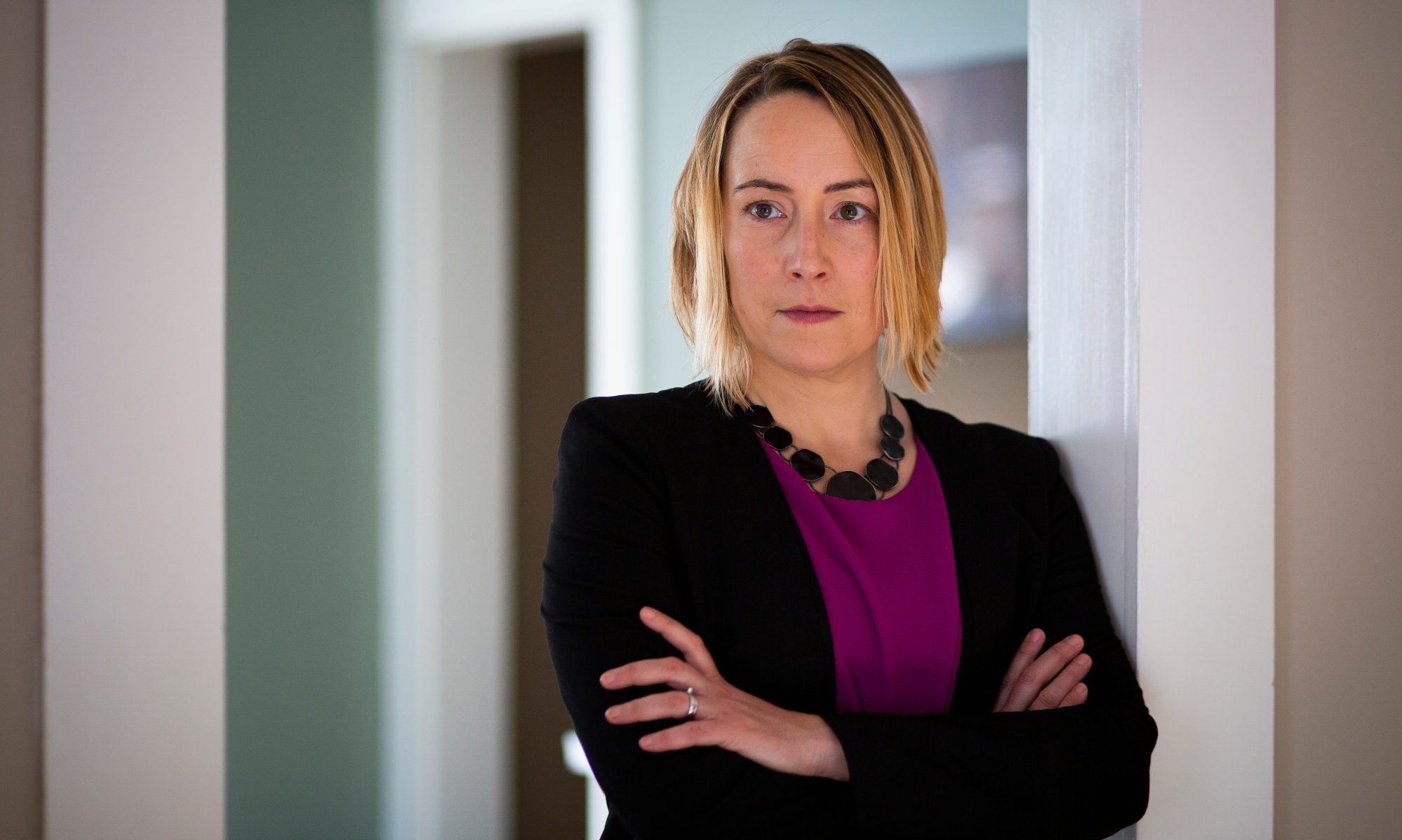
This morning’s Boston Globe features a story about US District Court Judge Denise J. Casper, who is presiding over the trial of Whitey Bulger.

It’s notable for two reasons. One: Casper is running perhaps the most scrutinized courtroom in America right now, and her style is an interesting aspect to the ongoing Bulger story. Two: The piece tells us a about a judge who happens to be female, not a woman who happens to be a judge.

There’s some biographical information, but it’s the same type of family context that would be included in a quick profile of a man in a similar position. Mostly, the piece focuses on how Casper, who is still a fairly new judge, was assigned the Bulger case when one of her more seasoned colleagues recused himself. That’s an interesting detail regardless of the gender of those involved.

Tech camp goes mobile

If the forecast is correct, this week will feature some really fantastic summer weather, so we’re going to head outside and see what kinds of stories we can tell with nothing more than our smartphones and a couple of apps.

We’ve already experimented with one of them: ThingLink. We used the desktop version earlier this summer, but now that it’s publicly available as an app, we can try to do something similar to what the Washington Post produced during the White House Correspondents’ Dinner in April.

Another fun little app I’ve been playing with lately is called Over, a super-simple tool that lets users place text and a limited selection of graphics over images. Here’s a graphic for an imaginary blog post about entertainment options in Boston. It took about five minutes, and that includes the time I spent walking down the block to take the picture.

madewithover

For other examples of Over projects in the wild, check out this blog from the app’s developers.

Don’t forget your phone on Monday. (No smartphone? No problem. We’ll pair you up with someone who has one.)

I was getting ready to write something about this…

… but Josh Stearns from Free Press beat me to it.

Numbers like these are frustrating and bad for democracy. A press corps that’s diverse in terms of race, gender and socioeconomic background is crucial for the kind of dignified but dogged journalism Thomas exemplified for so many years. Different backgrounds means different — and, hopefully, difficult — questions about topics those in power would rather ignore.

One of the better pieces about Thomas that I’ve read so far today is this obituary from the Washington Post. Among other great details, it includes this quote:

“I respect the office of the presidency,”  (Thomas) told Ann McFeatters for a 2006 profile in Ms. magazine, “but I never worship at the shrines of our public servants. They owe us the truth.”

And that truth must reflect the realities of all segments of the population.