BBC creates video database of female experts

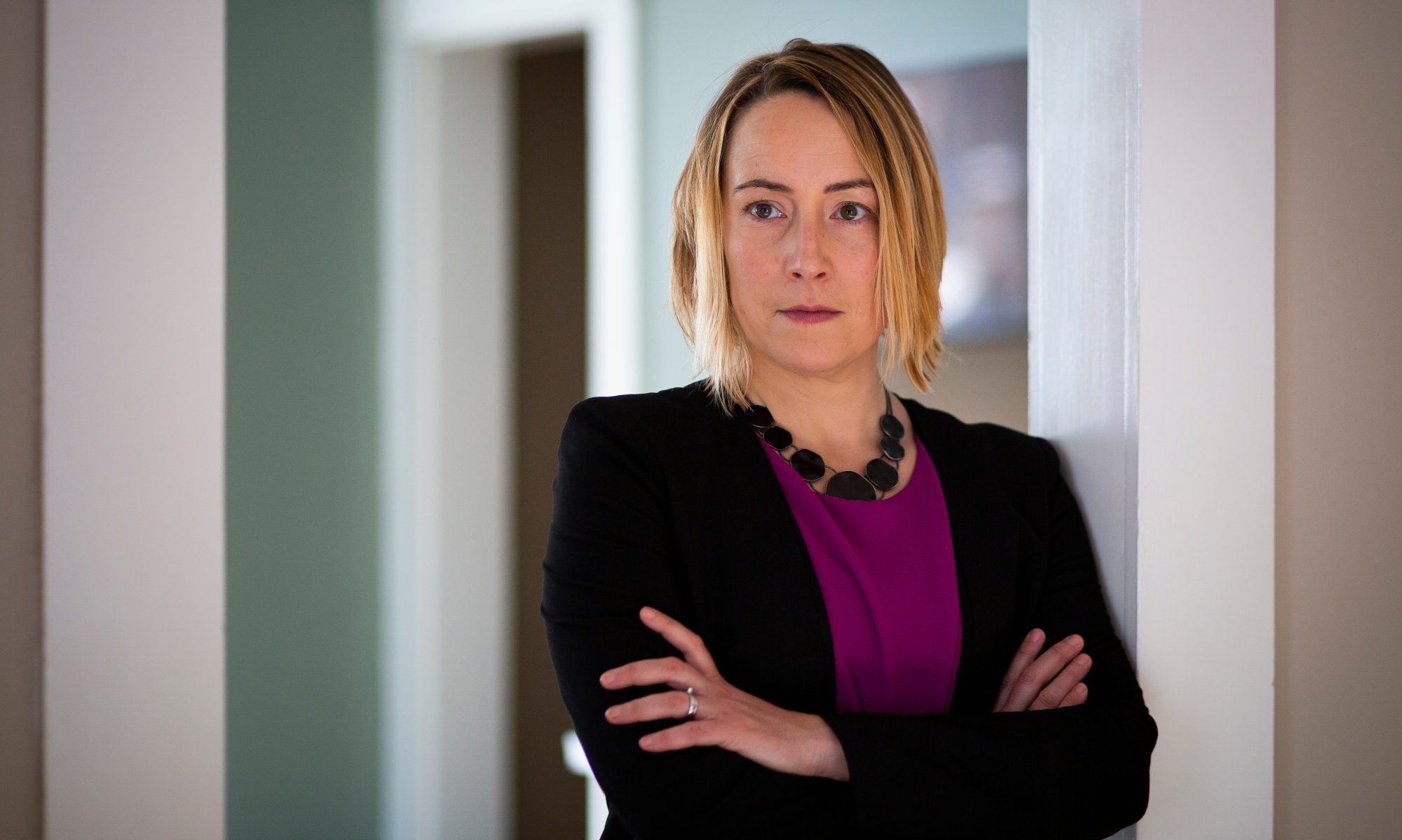
The BBC is helping its reporters connect with smart, well-spoken women by assembling a database of female experts. According to The Telegraph, the database includes specialists from a variety of fields who have completed a free media training day organized by the BBC.

The ‘expert women database’ contains the details of the 60 women who have so far received free training via these days, as well as the contacts of a further 120 women who “showed promise” in their applications to the BBC Academy. More than 2,000 women applied for the first BBC Academy female expert training day but there were only 30 spaces.

The BBC is one of several British news organizations responding to criticisms about gender imbalances in journalism.

As the Telegraph reports, this isn’t the first database of its kind. My own quick Google search uncovered this directory of female scientists in Eastern Europe. Are there any similar databases in the U.S.? Should someone start one?

TIME’s list of top Twitter users is basically a boys’ club

On Twitter, science and politics are topics best left to men. At least that’s the message TIME is sending with its list of “140 Best Twitter Feeds of 2013.” The annual roundup of top tweeters is overwhelmingly male, with women dominating just four of the 14 categories.

Female Twitter users are especially scarce in areas of the list devoted to science and politics, but they outnumber men when it comes to traditionally “pink” topics like fashion and food. The genders were evenly represented in a category devoted to activists. In all, the list included 71 men and 46 women, plus a couple dozen institutional accounts.* Here’s a full breakdown:

chart_1

Does all this really matter? Probably not, but inclusion on a list like this creates buzz and a certain amount of pop-culture legitimacy. The fact that vast swaths of TIME’s selection are so male heavy is weird, especially when you consider that 60 percent of Twitter users are female.

TIME editors admit the list is “not comprehensive” and invite Twitter users to weigh in with their own favorites using the hashtag #Twitter140. But I can’t help wondering if they could have pushed a little harder to highlight women who meet the criteria of standing “out for their humor, knowledge and personality.”

There’s no dearth of smart women offering pithy political tweets. This crew, for instance, or any of the fine journalists suggested by Carrie Dann of NBC News:

As for science, I’ll bet this spunky social media user has some ideas.

(*A note on my methodology: I broke TIME’s list into three categories: male, female and other. The first two groups are self explanatory. I applied the “other” label to non-gendered accounts, most of which represented institutions. Careful readers will notice that 141 accounts appear on the graphs. That’s because one of TIME’s picks included two names, one male and one female.)

Who else is counting?

I launched this blog to help find meaning in the scads of information I’m gathering for my thesis, which is focused on the role of women in emerging online news organizations. My methodology is still in the works, but I’m lucky to have some fantastic research to build upon. Over the next few weeks, I’m going to create a literature review — a document that describes “the critical points of current knowledge” on a topic.

But it won’t be your typical lit review. There will be video, photos, maybe even an interactive graphic, all designed to help understand what data is available, who’s collecting it and — perhaps most importantly — why. I’ve written already about some of the sources I’ll cite, including this list of blogs and books, a public Zotero bibliography and a post about The Gender Report, a byline surveillance project that’s found an underpresentation of women in online news.

I’m also talking to the Columbia Journalism Review in hopes of gleaning some useful information from its fantastic Guide to Online News Startups. There’s also some interesting research happening at MIT and in conjunction with the Boston Globe’s innovation lab. One or both of those projects could make for interesting video.

Who else should I include?